Best Practices for a Successful Cabinet Refacing Project
Cabinet refacing is a smart way to give your kitchen or bathroom a fresh look without the expense and mess of a full replacement. If your cabinet boxes are still solid but the doors or drawer fronts are dated or worn, refacing can make a big impact. Here’s what to know about doing a cabinet refacing project the right way, from planning to finishing touches.
Is cabinet refacing right for my kitchen or bathroom?
Cabinet refacing works best when your cabinet boxes are in good shape. If the structure is solid—no sagging, water damage, or broken sides—you can update the faces and hardware for a completely new look. This is an especially practical choice for homeowners who want to modernize their space without a total gut job. If you’re not sure about the condition of your cabinets, a professional can help you evaluate them during a kitchen remodeling or bathroom remodeling consultation.
What steps are involved in cabinet refacing?
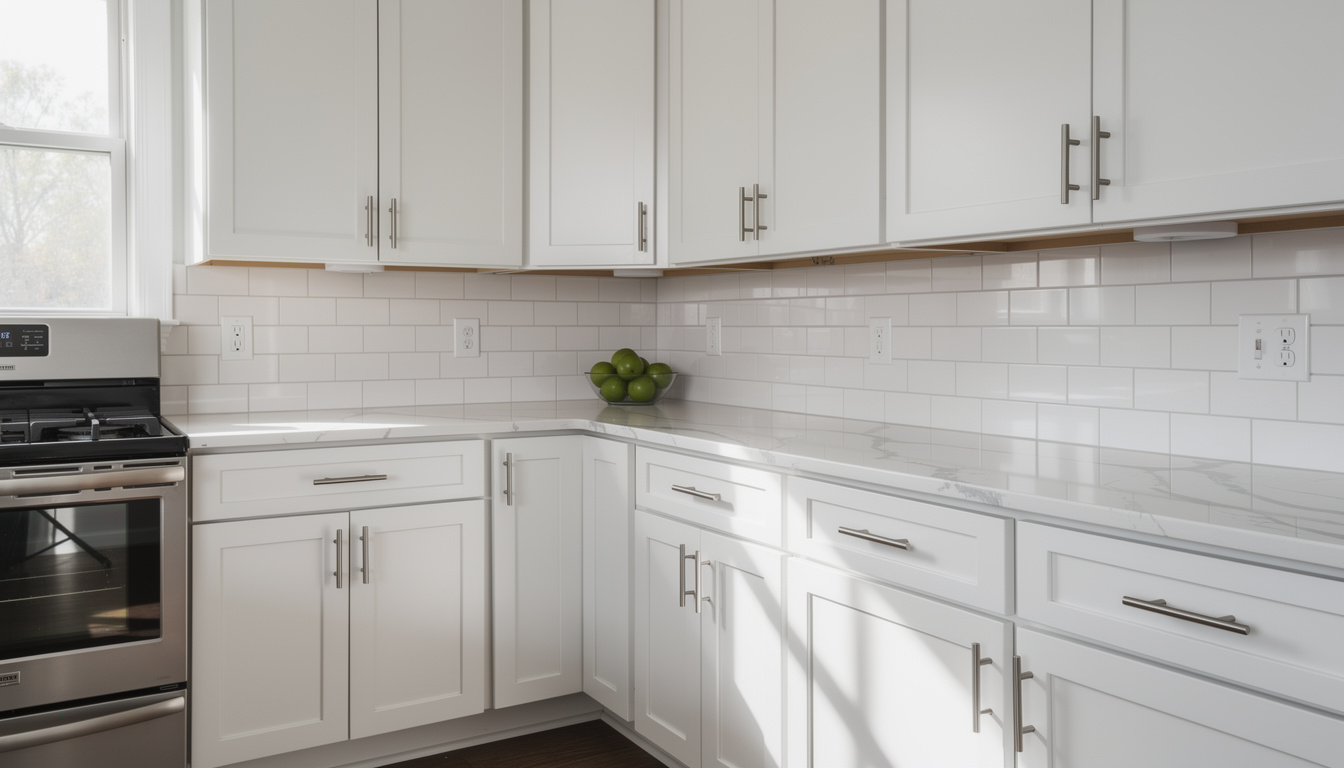
The process starts with removing the old doors, drawer fronts, and hardware. The cabinet frames get cleaned and prepped—any minor repairs or adjustments are done at this stage. Next, a veneer or laminate is applied to the visible sides and faces of the cabinet boxes. New doors and drawer fronts are installed, along with new hinges, knobs, or pulls. Professionals will make sure everything lines up right and functions smoothly. If you want to make more of a change, you can add features like crown molding, soft-close hinges, or decorative panels at this stage. For a seamless finish, consider pairing cabinet refacing with countertop installation or a new backsplash.
How do I choose the right materials and finishes?
There are plenty of options for cabinet refacing. Solid wood, wood veneer, and high-quality laminates each have their pros and cons. Wood and wood veneer give a warm, classic feel, while laminate options offer a wide range of colors and are easy to clean. The finish you choose should fit your home’s style and how much maintenance you’re willing to do. Hardware choices—from sleek brushed nickel to oil-rubbed bronze—can also change the look dramatically. Ask your contractor for samples or to see finished projects before making a final choice.
What are common mistakes to avoid during cabinet refacing?
- Skipping surface prep: Not cleaning and prepping the cabinet boxes means the veneer or laminate might not stick properly. Professionals always make sure the surfaces are ready before applying new materials.
- Choosing cheap materials: Lower-quality laminates or hinges might save money upfront but often don’t hold up in kitchens and bathrooms, especially with Kentucky’s humidity swings.
- Ignoring layout problems: Refacing won’t fix issues like poor cabinet placement or lack of storage. If you’re frustrated with your kitchen’s layout, talk to your contractor about whether a bigger change—like a new island or pantry—is possible alongside the refacing.
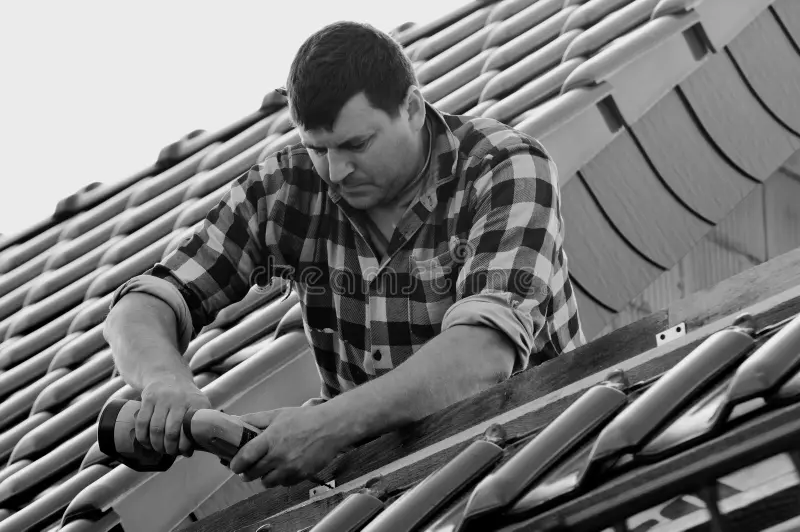
- DIY installation without experience: Installing veneers and hanging new doors takes skill. Crooked doors and peeling edges are common signs of a rushed DIY job.
How long does cabinet refacing take and what should I expect?
Most cabinet refacing projects in Lawrenceburg can be completed in a few days, depending on the size of the kitchen or bathroom and the complexity of the design. You won’t have to deal with the dust, debris, and long timelines of a full remodel. Your contractor will protect floors and surfaces, minimize disruption, and keep the space tidy throughout. With a professional team, you’ll get a result that looks and feels like a brand-new installation.
Can I make other updates at the same time as cabinet refacing?
Yes, cabinet refacing is often done alongside other improvements. Many homeowners pair it with new countertops, backsplash installation, or even custom cabinets for tricky spots like corner spaces or pantries. Updating your cabinet lighting, plumbing fixtures, or even flooring can give your room a total refresh. If you’re considering a bigger change, talk to your contractor about your goals up front so they can plan the work efficiently.
Frequently Asked Questions
Will my cabinets look and feel like new after refacing?
Yes, when done by professionals, refaced cabinets look and function just like brand-new ones. The new doors, drawer fronts, and hardware give a clean, updated appearance, and the surfaces are durable and easy to clean.
How do I care for refaced cabinets?
Most refaced cabinets are easy to maintain. Wipe surfaces with a soft cloth and mild cleaner—avoid harsh chemicals or abrasive pads. Check with your contractor for care instructions based on the materials you select.
Can I change the style of my cabinets during refacing?
Absolutely. You can go from traditional to modern, add glass panels, or choose a new wood species or color. New hardware and trim options make it easy to personalize the look.
Is cabinet refacing less expensive than replacing all my cabinets?
In most cases, yes. Refacing uses your existing cabinet boxes, which cuts down on material and labor costs. It’s a budget-friendly way to upgrade your space while still getting a high-quality finish.
If you’re considering cabinet refacing in Lawrenceburg or the surrounding area, J&M Renovations, Inc can walk you through your options and help you get results you’ll be proud of for years to come. Contact us today to schedule a consultation or to ask about our full range of remodeling services.