How to Safely Install a Fireplace in Your Home: A Practical Guide
Adding a fireplace to your home is a great way to create a cozy atmosphere and boost your property’s appeal. But fireplace installation is a project that takes careful planning and a strong focus on safety. If you live in or near Lawrenceburg, KY, and are considering a new fireplace, here’s what you need to know to get it done right and safely.
Where Should I Place My Fireplace?
Choosing the right spot for your fireplace is the first—and one of the most important—steps. Think about how you’ll use the space and what type of fireplace you want (wood-burning, gas, or electric). You’ll need to consider the existing layout, including floor joists, wall studs, and nearby windows or doors. Avoid placing a fireplace right under ceiling fans, near combustible materials, or on a wall with heavy foot traffic. If you’re adding a fireplace as part of a larger home addition or remodel, this is the time to work with your contractor to ensure it fits seamlessly into the design.
What Building Codes and Permits Do I Need for a Fireplace?
Fireplace installations are subject to local building codes and usually require permits. These regulations are there to make sure your installation is safe and up to standard. Codes cover everything from chimney height and clearance from combustibles to hearth dimensions and ventilation for gas units. In Lawrenceburg and surrounding areas, always check with your local building department before starting. A professional who specializes in fireplace installation will know the requirements and help you avoid costly mistakes or delays.
What Materials and Tools Are Required?
The materials and tools you’ll need depend on the type of fireplace you’re installing. For a wood-burning fireplace, you’ll need masonry materials like brick or stone, fire-rated drywall, flue pipes, and chimney components. Gas fireplaces require vent pipes, a gas line, and proper connectors. Electric fireplaces are generally simpler but still need proper wall framing and electrical work. Common tools include levels, drills, masonry tools, and safety gear such as gloves and goggles. If your project involves custom finishes or built-ins, you might also need to coordinate with a carpenter for custom cabinetry or shelving around the fireplace.
How Do I Prepare the Space for Installation?
Preparation is crucial for a safe installation. Clear the area of furniture and décor. If you’re installing on an interior wall, open up the wall to reveal studs and make sure there are no electrical wires or plumbing in the way. Install a non-combustible hearth according to code, and add fire-resistant insulation or wall boards as needed. For gas fireplaces, have a professional run the gas line and test for leaks. For electric units, ensure you have a dedicated outlet with the correct amperage. If you’re including a tile surround or hearth, you might want to coordinate with a pro who handles large format tile installation for a clean, durable finish.
What Are the Key Steps in the Installation Process?
- Framing: Build the framing to support the fireplace unit and chimney or vent, following manufacturer specs and code.
- Install the Fireplace: Set the firebox or insert into the opening, securing it per instructions.
- Ventilation: For wood or gas, install the flue or vent pipes, making sure all joints are sealed and clearances are met.
- Connections: Hook up the gas line (licensed pro only) or electrical wiring as required.
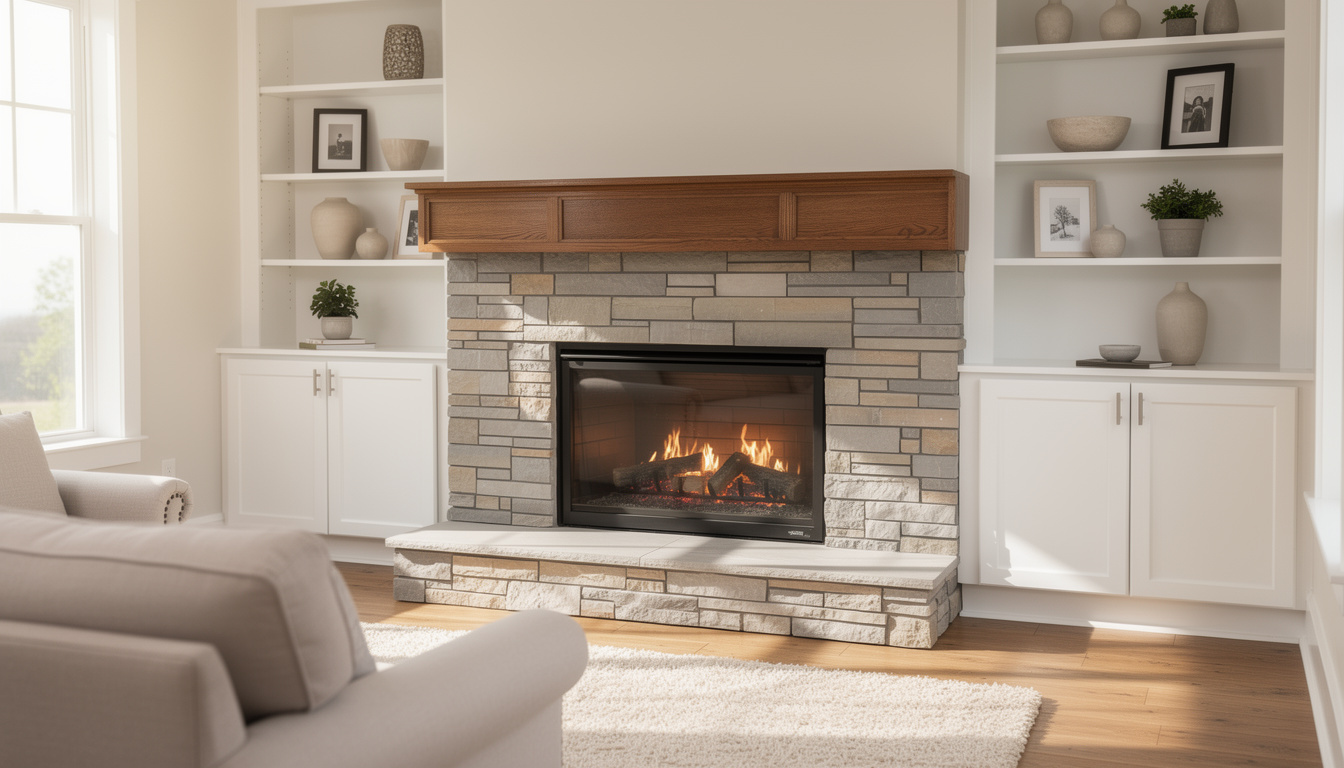
- Finish Work: Add surround materials, mantel, tile, or built-ins as desired. Make sure all combustible trim is far enough from the firebox.
- Inspection: Schedule a final inspection with your local building department to ensure compliance and safety.
How Can I Ensure My Fireplace Is Safe for Daily Use?
Once installed, ongoing safety is mostly about proper use and regular maintenance. Always use the correct fuel for your fireplace. Keep flammable objects—like curtains, furniture, or décor—at least three feet away from the firebox. For wood-burning units, have the chimney inspected and cleaned yearly. Gas and electric models should be checked periodically by a professional for leaks or faulty wiring. Make sure your smoke and carbon monoxide detectors are working and positioned correctly. Never leave a fire unattended, and teach all family members basic fireplace safety.
Frequently Asked Questions
Can I install a fireplace myself, or should I hire a pro?
While some electric fireplaces are DIY-friendly, wood-burning and gas fireplaces are best left to professionals. There are strict codes, complex venting, and safety concerns—especially with gas connections and chimney installation. Hiring a pro means everything will be done to code and safely, giving you peace of mind.
What type of fireplace is safest and easiest to maintain?
Electric fireplaces are the safest and require the least maintenance—no venting, no real flame, and no fuel storage. Gas units are also relatively low maintenance but require proper venting and annual inspections. Wood-burning fireplaces need the most upkeep with regular chimney cleaning for safe operation.
Do I need a chimney for my new fireplace?
Wood-burning fireplaces always require a chimney or venting system. Gas fireplaces may need venting, but there are ventless models available (these have their own regulations and should be installed with care). Electric fireplaces do not require a chimney at all.
How do I know if my home can support a fireplace installation?
Most homes can accommodate a fireplace, but the specifics depend on your layout, wall construction, and available venting routes. A professional assessment will reveal any challenges, such as structural changes or additional venting needs, before you get started.
If you’re thinking about adding a fireplace to your home in Lawrenceburg or nearby, getting it done safely and correctly is key. Reach out to J&M Renovations, Inc for professional advice and expert installation. We’re here to help you create a warm, inviting space that you and your family can enjoy for years to come.