
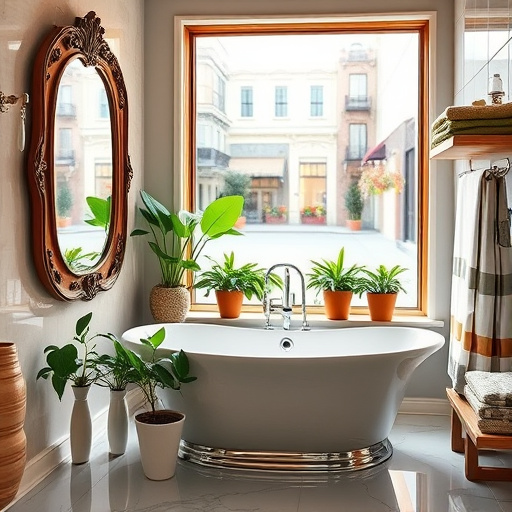
Motion Sensor Lighting for Accessible Bathrooms: Safety & Ease
How Does Motion Sensor Lighting Enhance Safety in Accessible Bathrooms?
In the realm of bathroom safety, especially within accessible facilities, preventing slips, falls, and other accidents is paramount. Motion sensor lighting for accessible bathrooms serves as a proactive safety feature that minimizes hazards associated with traditional lighting controls. These intelligent systems detect movement and automatically illuminate the space, ensuring continuous visibility without the need for manual switches. This seamless illumination not only reduces the risk of trip-and-fall incidents but also offers immediate lighting in the event of an emergency, such as during nighttime visits or for individuals with mobility challenges.
What Are the Key Advantages of Using Motion Sensor Lighting for Accessible Bathrooms?
- Enhanced Safety: Automatic lighting reduces the likelihood of accidents caused by inadequate visibility, especially critical for seniors and those with disabilities.
- Increased Independence: Users can access bathroom facilities confidently without relying on others or fumbling for switches, promoting autonomy.
- Energy Efficiency: Motion sensors prevent unnecessary lighting, leading to significant energy savings and environmentally friendly operation.
- Convenience and Modern Aesthetic: The sleek, unobtrusive design of motion-activated fixtures complements modern bathroom aesthetics while providing effortless control.
- Supporting Aging-in-Place: As mobility diminishes with age, automatic lighting ensures continued safety, enabling seniors to remain comfortably in their homes longer.
How Does Motion Sensor Lighting Improve Independence in Everyday Bathroom Use?
Independence in the bathroom is crucial for maintaining dignity and quality of life among individuals with mobility limitations or disabilities. Motion sensor lighting for accessible bathrooms allows users to enter and exit confidently without needing to operate traditional switches, which can be challenging for those with limited dexterity. When equipped with features such as adjustable sensitivity and timeout settings, these systems can be tailored to individual needs, ensuring lights activate precisely when required, but do not remain unnecessarily on. Such customization further empowers users to maintain control over their environment, fostering self-reliance.
Are There Specific Design Considerations for Installing Motion Sensor Lighting in Accessible Bathrooms?
Implementing motion sensor lighting for accessible bathrooms demands careful planning to optimize functionality and safety. Key design considerations include:
- Sensor Placement: Proper positioning ensures accurate detection of movement without false triggers. Common locations include at entrances, near sinks, and around the toilet area.
- Lighting Type and Brightness: Bright, glare-free LEDs are ideal for reducing eye strain and enhancing visibility.
- Compatibility with Other Accessibility Features: Integration with grab bars, lowered sinks, and walk-in showers creates a cohesive accessible environment.
- Ease of Maintenance: Sensors and fixtures should be accessible for cleaning and repairs to sustain long-term functionality.
Working with experienced professionals like J&M Renovation, Inc. ensures that your installation adheres to best practices and local building codes, guaranteeing safety, durability, and aesthetic appeal.
What Are the Different Types of Motion Sensor Lighting Suitable for Bathrooms?
Several sensor lighting options are suitable for accessible bathrooms, each offering unique benefits:
- Infrared Motion Sensors: Detect body heat to trigger lighting, ideal for areas with high traffic and varying activity levels.
- Ultrasonic Sensors: Use sound waves to detect movement, effective in spaces with obstructions or inconsistent movement patterns.
- Dual-Technology Sensors: Combine infrared and ultrasonic detection to minimize false triggers and enhance reliability.
Choosing the right type depends on the bathroom’s layout, user needs, and desired energy efficiency. Consulting with specialists, such as those experienced in walk-in shower installation, can be instrumental in selecting the optimal system tailored specifically for your accessible bathroom.
How Can Motion Sensor Lighting Be Integrated into a Complete Bathroom Renovation?
An integrated approach to bathroom renovation maximizes safety and accessibility. During remodeling, consider incorporating motion sensor lighting alongside other features like small bathroom storage solutions or walk-in showers to create a cohesive, functional space. Modern bathroom designs often combine smart lighting, slip-resistant flooring, and accessible fixtures to support aging-in-place and independence.
Partnering with renovation experts ensures your project aligns with regional design trends, market standards, and your specific requirements. This holistic approach elevates both the usability and aesthetic value of your bathroom.
What Are the Costs and Considerations When Installing Motion Sensor Lighting?
While the initial investment may vary depending on the system complexity and bathroom size, the long-term benefits—such as energy efficiency, safety, and independence—outweigh costs. Factors influencing expenses include sensor quality, coverage area, and integration with existing electrical wiring. Consulting with professionals can help identify the most cost-effective solutions that meet your needs without compromising on safety or design.
Can Motion Sensor Lighting Be Made Smart with Home Automation?
Absolutely. Integration with smart home systems allows remote control, customization, and monitoring. Voice commands through devices like Amazon Alexa or Google Home make operation even more accessible. Smart motion sensor lighting can be scheduled, adjusted for sensitivity, and connected to other accessibility features, providing a holistic and futuristic approach to bathroom safety and functionality.
When selecting a system, consider factors such as detection range, sensitivity, ease of installation, compatibility with existing fixtures, and warranty support. Interviewing reputable contractors with experience in bathroom remodeling ensures you gain expert guidance tailored specifically to your accessibility needs.
Conclusion: Why Is Motion Sensor Lighting a Crucial Investment in Accessible Bathrooms?
Incorporating motion sensor lighting for accessible bathrooms is more than a modern convenience; it is a vital safety enhancement that promotes independence, reduces the risk of injury, and streamlines daily routines. As demonstrated through advanced design strategies, personalized technology integration, and professional execution, these systems constitute an essential facet of inclusive, user-friendly bathroom environments. Ensuring safety and independence through thoughtful lighting solutions can profoundly impact quality of life, especially for seniors and individuals with mobility challenges.
How reliable are motion sensor lights in bathrooms prone to humidity?
Modern motion sensors are designed to withstand high humidity levels typical in bathrooms. Waterproof and moisture-resistant fixtures ensure reliable operation, but consulting with experts during installation enhances durability and performance.
Can motion sensor lighting be customized for different user preferences?
Yes, many systems offer adjustable sensitivity and timeout settings, allowing customization to match specific user mobility and preference, ensuring optimal safety and convenience.
Is professional installation necessary for effective motion sensor lighting in bathrooms?
While some DIY options exist, professional installation guarantees proper sensor placement, wiring safety, and adherence to building codes—all crucial for optimal safety and performance in accessible bathrooms.

