
How to Prepare Your Home for a Smooth Interior Painting Project
Painting the inside of your home is one of the quickest ways to refresh your space. Whether you’re tackling a single room or planning a full home update in Lawrenceburg, KY, the prep work you do before the first brushstroke makes all the difference. Here’s a practical guide to help you get ready for a smooth interior painting project.
What should I move or cover before painting begins?
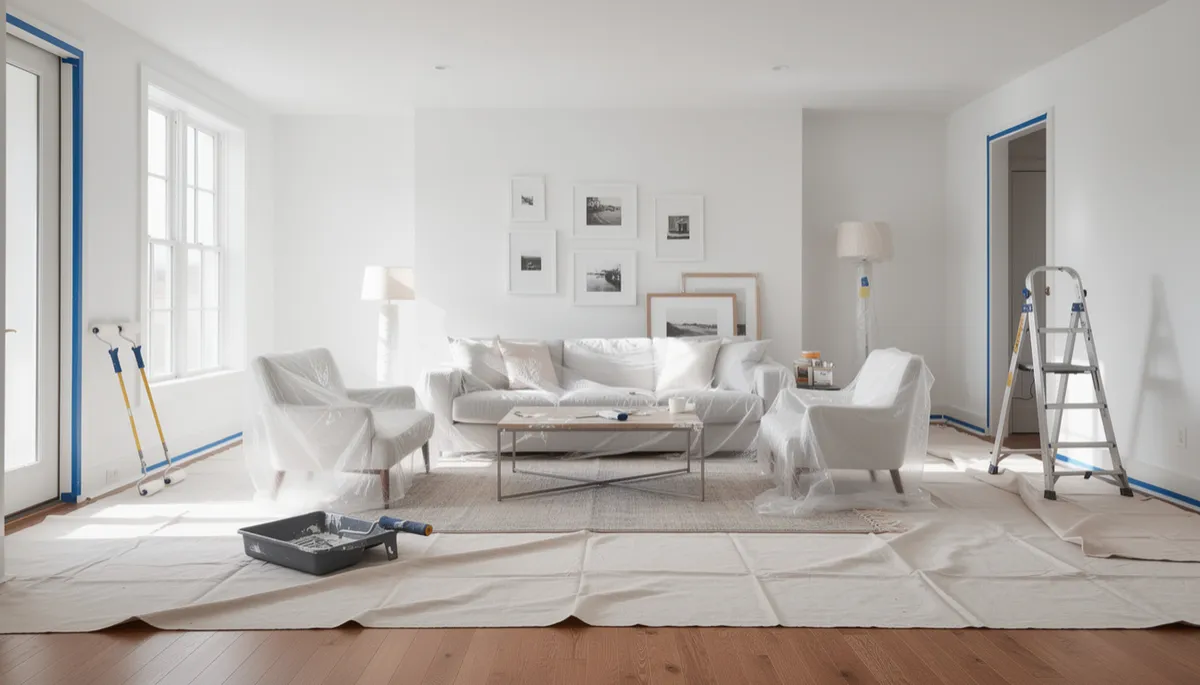
Before any painting starts, it’s important to clear as much of the room as you can. Move furniture out if possible. For larger items that can’t be removed, push them to the center of the room and cover them with plastic sheeting or drop cloths. Remove curtains, blinds, rugs, wall art, and switch plate covers. Don’t forget to take down any shelves or removable fixtures. The more you clear out, the fewer obstacles you’ll have, and the less likely you’ll be to end up with paint splatters where they don’t belong.
How do I protect my floors and trim?
Even the steadiest painters can have a drip or two. Lay down heavy canvas drop cloths or thick plastic sheets over all flooring, making sure to cover every inch. Tape the edges with painter’s tape for added protection, especially if you have carpet. Apply painter’s tape along baseboards, window frames, and door frames to create clean lines and prevent paint from bleeding onto your trim. If your trim or moldings are in rough shape, consider looking into repairing or updating your trim and moldings at the same time as your paint job.
Do I need to clean my walls before painting?
Yes, it’s essential to clean your walls before painting. Dust, grease, and fingerprints can keep paint from sticking properly. Use a damp sponge and mild soap to wipe down walls, especially in kitchens or bathrooms where residue builds up faster. Let the walls dry completely before moving on. For areas with stubborn stains or mildew, consider a gentle scrub with a mix of water and vinegar.
Should I repair wall damage before painting?
Painting over holes, dents, or cracks will only highlight the imperfections. Take time to fill any nail holes, small gouges, or cracks with spackle or joint compound. Once dry, sand the patched spots until they’re smooth and flush with the wall. Wipe the dust away so the new paint will go on evenly. If you have significant drywall damage, it may be worth getting professional help. Check out expert drywall repair services to ensure your walls are in prime condition before painting.
How do I handle built-ins, cabinets, or other features?
Built-in shelving, cabinets, or other features should be prepped just like walls and trim. Empty out shelves and cabinets, and remove any hardware or doors if you can. Clean all surfaces thoroughly. If you’re planning to update your cabinets along with your painting project, you might explore custom cabinet solutions to transform the look and function of your space.
What about prepping for special surfaces or accent walls?
If you’re painting over glossy finishes, tile, or paneling, a little extra prep is needed. Sand glossy surfaces lightly to help the new paint stick. For tile or paneling, use a high-quality primer designed for the material. Accent walls or areas with bold colors may require extra coats or a special primer to ensure even coverage. Planning ahead for these unique surfaces helps avoid surprises during the project.
Frequently Asked Questions
How long does it take to prep a room for painting?
Prep time depends on the room’s size and condition. A small, clean bedroom can be ready in a couple of hours, while larger spaces or rooms with lots of repairs might take a day or more. Rushing the prep stage can lead to paint problems down the line, so take your time.
Can I stay in my home while painting is underway?
For most interior painting projects, you can stay in your home, but you’ll need to avoid the work areas. If you’re painting large sections at once or using strong-smelling primers, it may be more comfortable to spend a night elsewhere until the fumes dissipate.
Do I need to remove light fixtures and switch plates?
It’s best to remove switch plates, outlet covers, and as many light fixtures as possible. This keeps them protected and ensures cleaner paint lines. For fixtures that can’t be removed, cover them carefully with plastic and painter’s tape.
Is it okay to paint over wallpaper?
It’s usually better to remove wallpaper before painting, as paint can cause it to bubble or peel. If removal isn’t possible, you can seal the wallpaper with a special primer, but results may vary depending on the condition and type of wallpaper.
Preparing your home for interior painting takes some effort, but it pays off in a cleaner, longer-lasting finish. If you’re planning an interior refresh in or around Lawrenceburg, KY, and want to make sure your project goes smoothly, contact J&M Renovations, Inc for expert advice and service every step of the way.